Welcome to the
27th IUPAC International Conference on Physical Organic Chemistry (ICPOC-27)

September 6 - 9 2026, Ludwig-Maximilians-Universität München, Munich, Germany
Dear colleagues, dear friends,

it is our great pleasure to invite you to the 27th International Conference on Physical Organic Chemistry (ICPOC-27), which will take place at Ludwig-Maximilians-Universität München (LMU), Germany, from September 6–9, 2026. Since its inception in 1972, the ICPOC series has become the leading international forum for advances in physical organic chemistry.

ICPOC-27 will bring together scientists from academia and industry to share cutting-edge research on the structure, reactivity, mechanisms, and equilibria of organic systems. The conference will highlight quantitative, molecular-level insights into the properties of chemical compounds — from small molecules and polymers to catalysts, functional materials, and supramolecular assemblies, novel techniques and methods including machine learning approaches. Contributions bridging to materials science, biology, systems chemistry and prebiotic chemistry are warmly welcomed, underscoring the multidisciplinary nature of our field.

This broad and integrative perspective is central to the continued growth of the chemical sciences and characterizes the dynamic and inspiring discussions that have long defined ICPOC meetings.

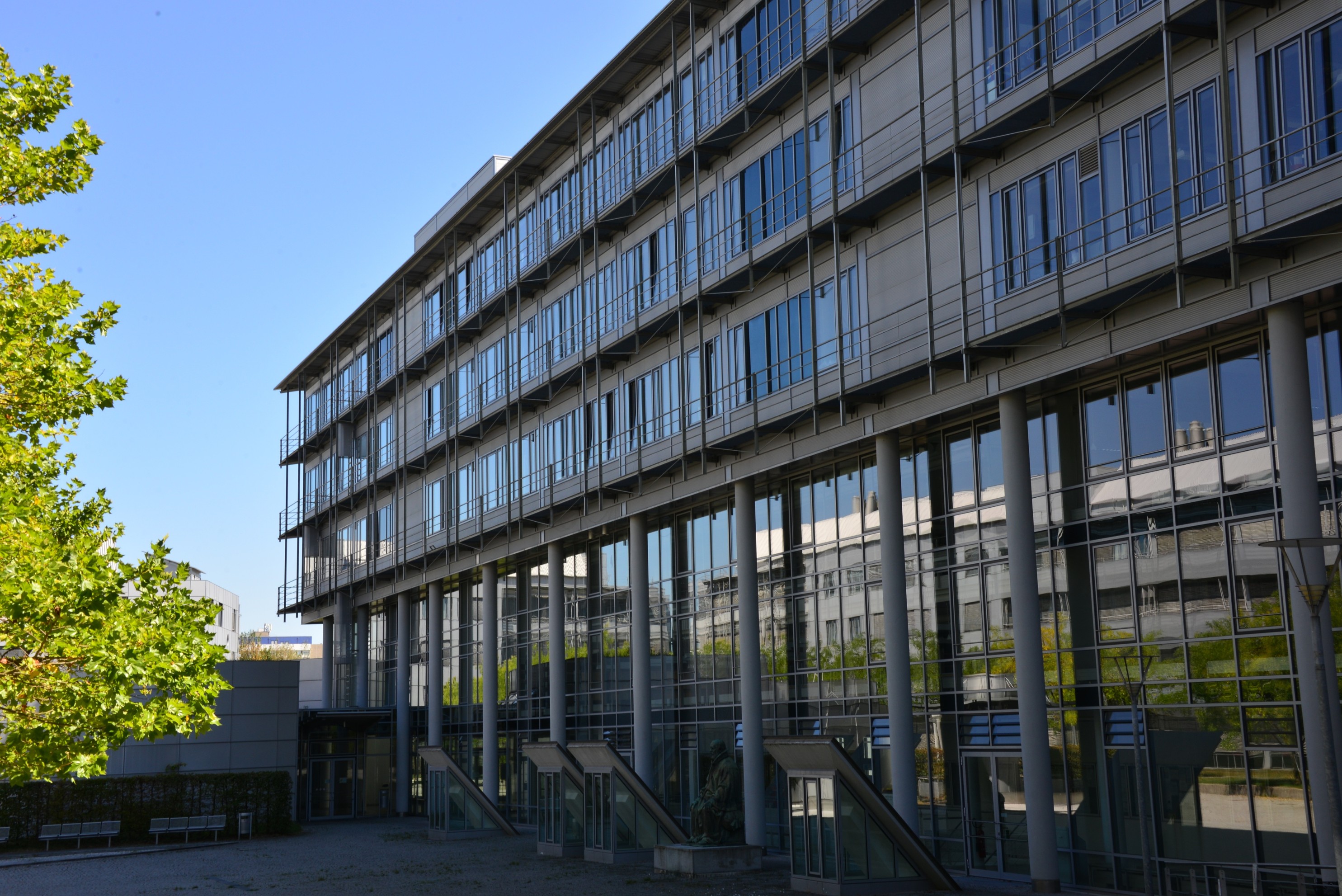
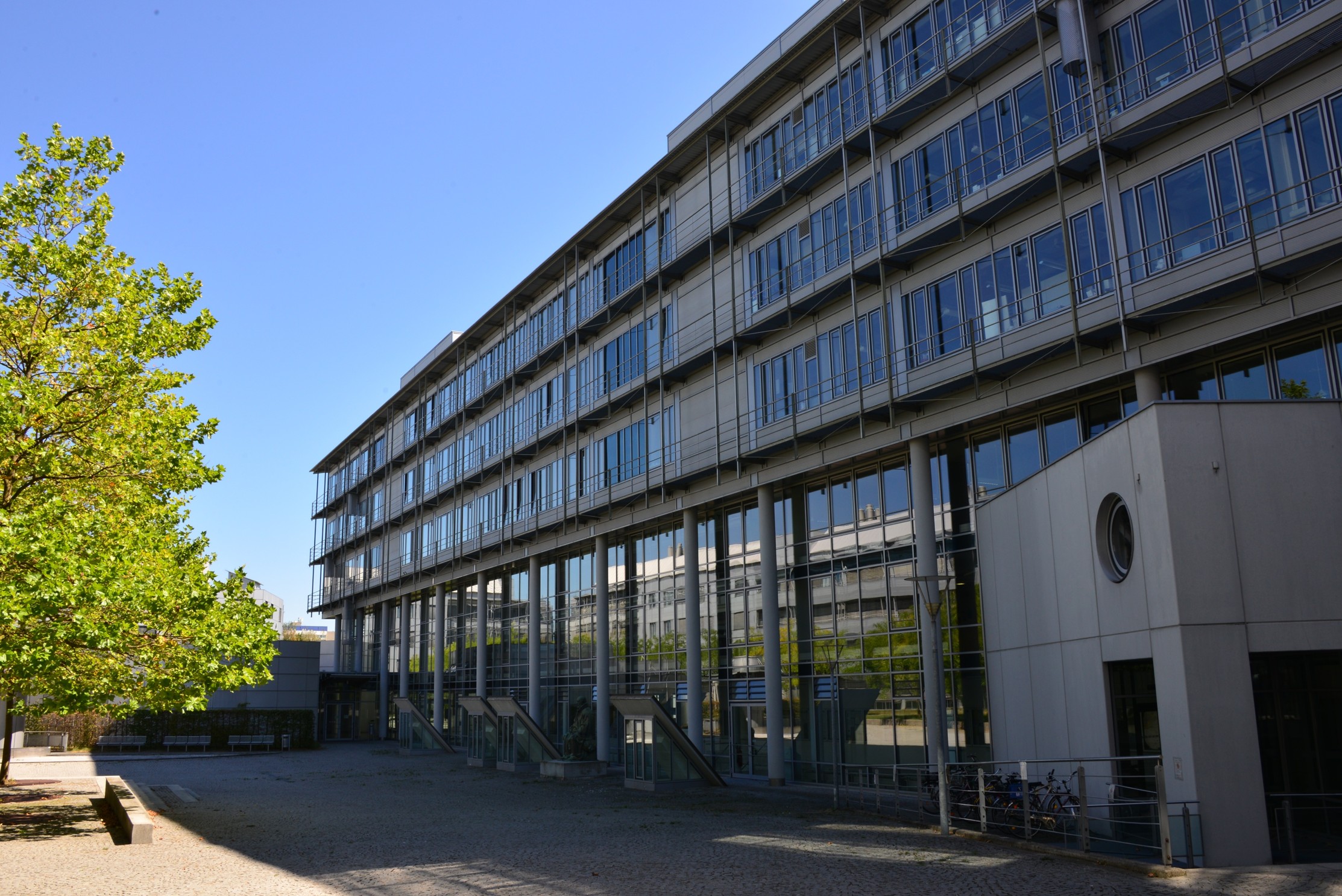
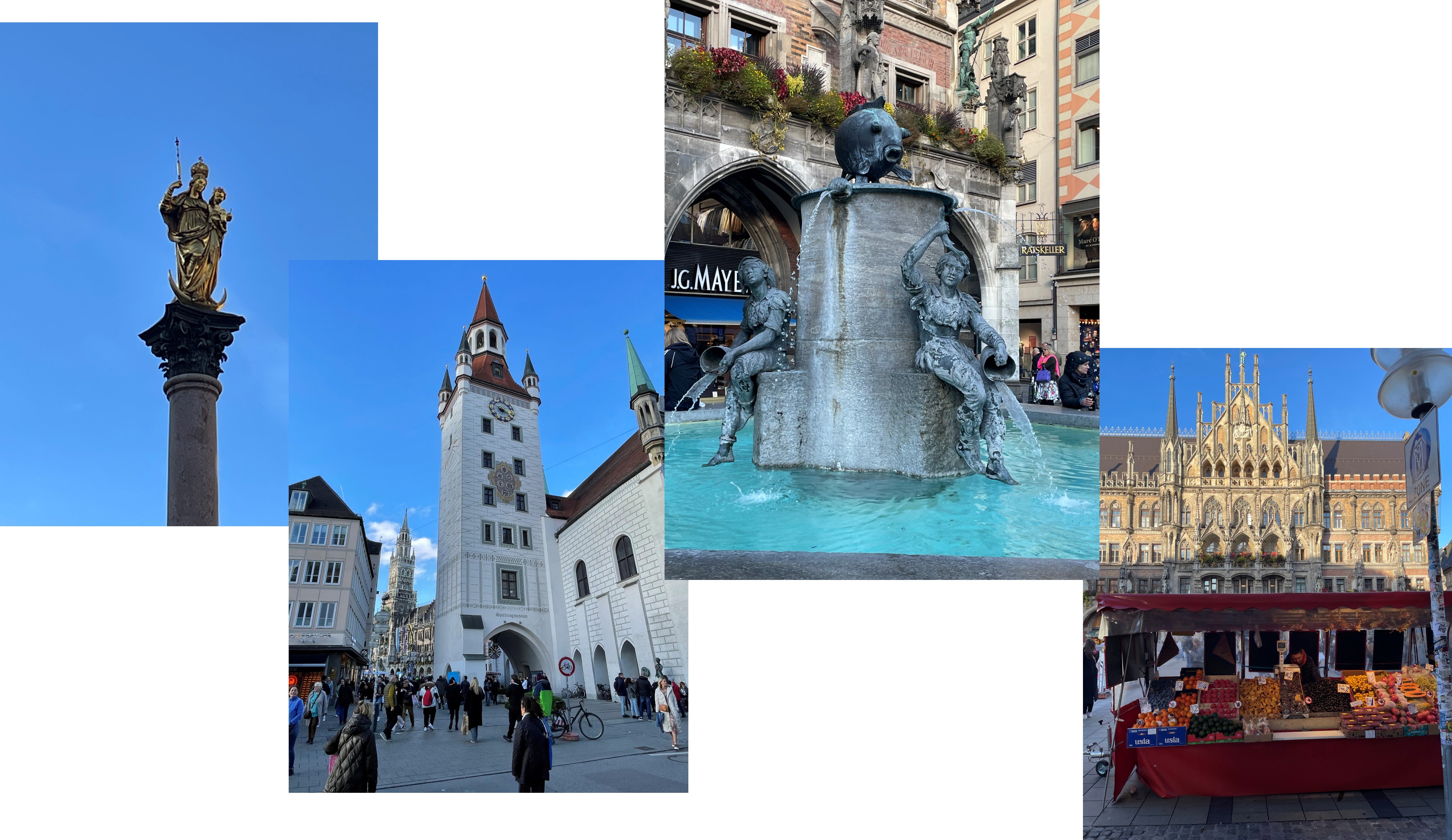
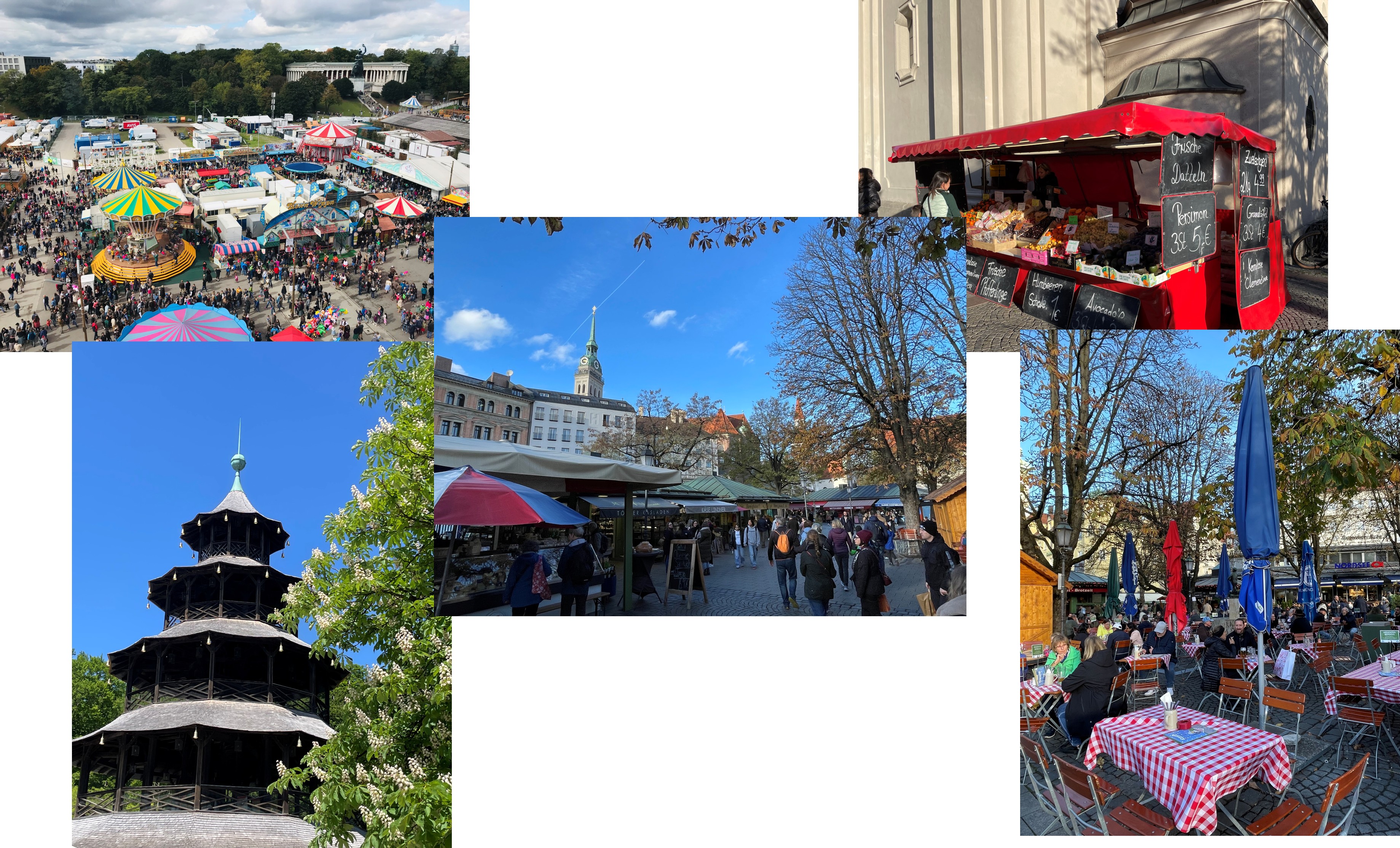
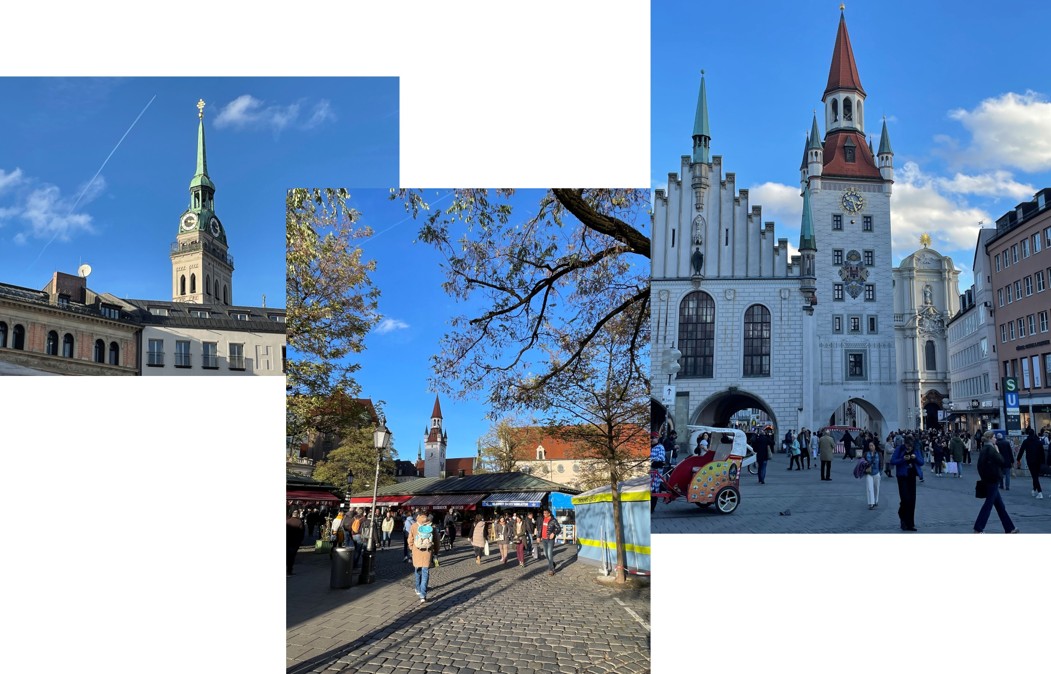
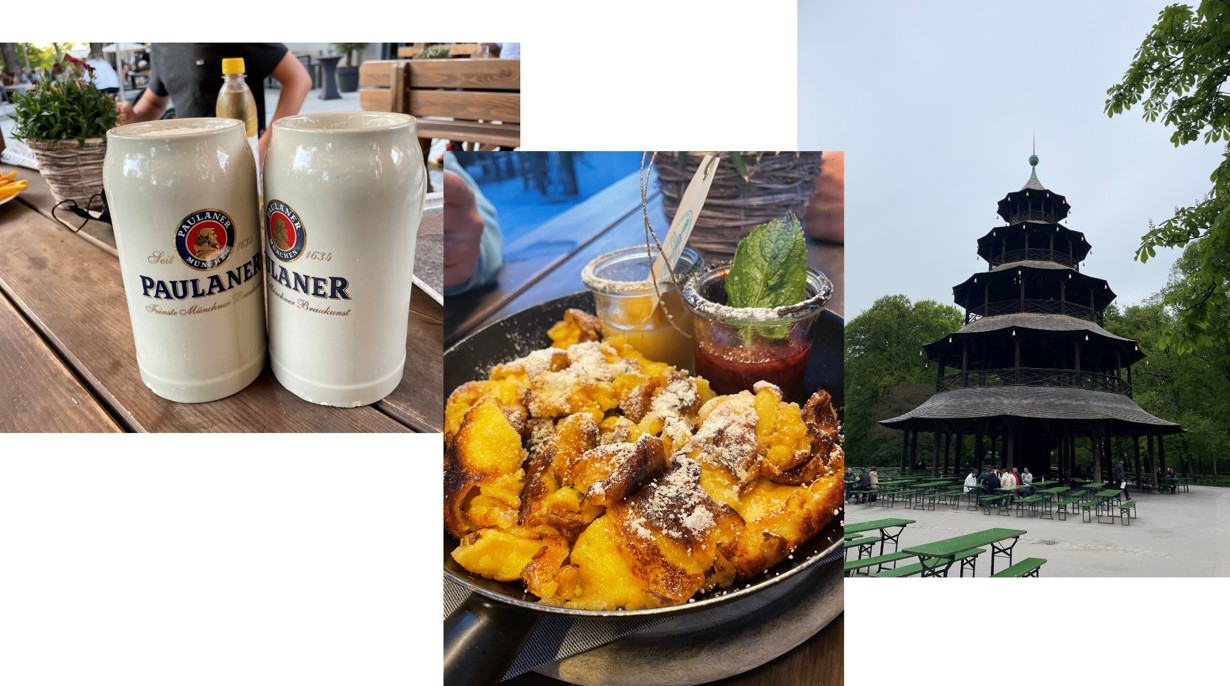
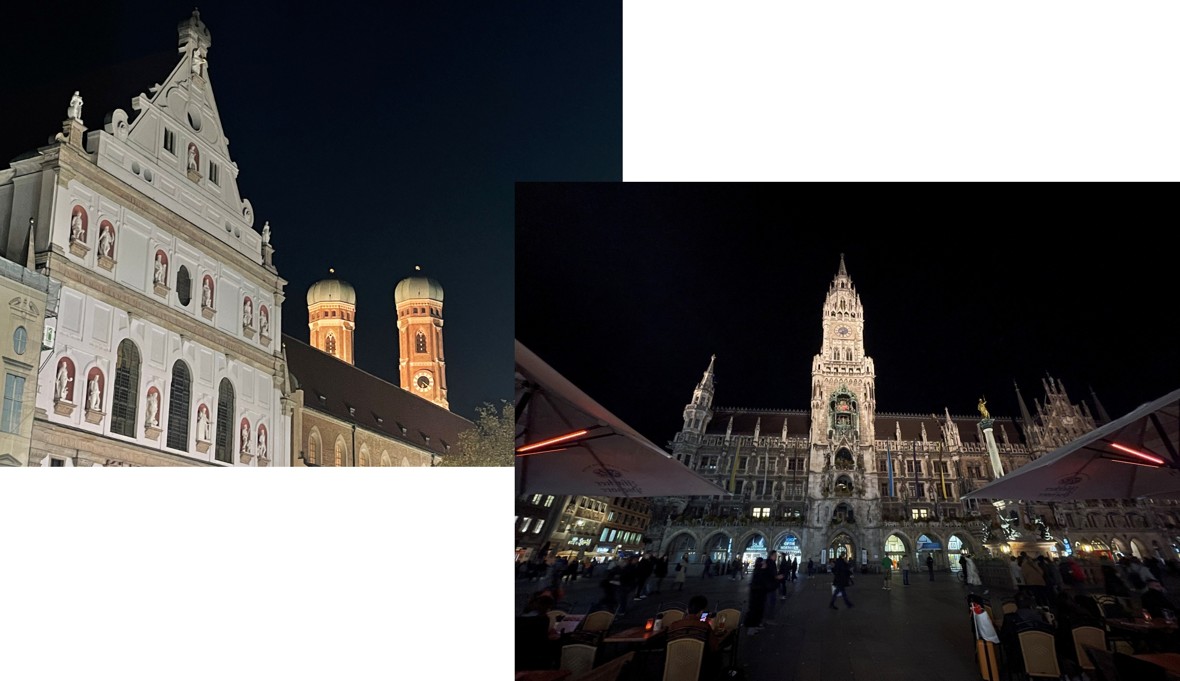
The conference will be held on LMU’s Science Campus Großhadern, offering an excellent environment for scientific exchange. Beyond the scientific program, Munich awaits you with its vibrant cultural life, rich history, and unique traditions.

We warmly encourage you to register and join us for ICPOC-27 at LMU Munich in September 2026.

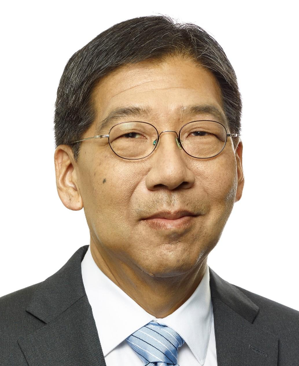
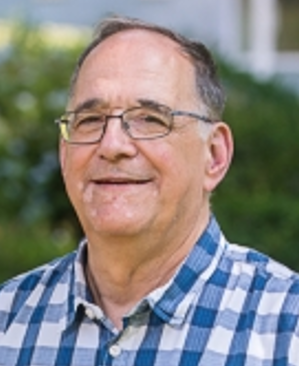
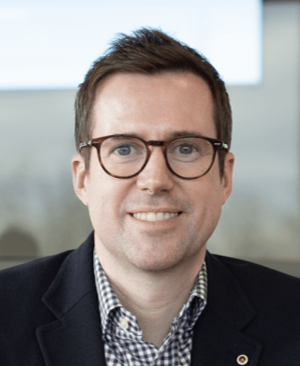
Prof. Dr. Oliver Trapp
Conference Chair

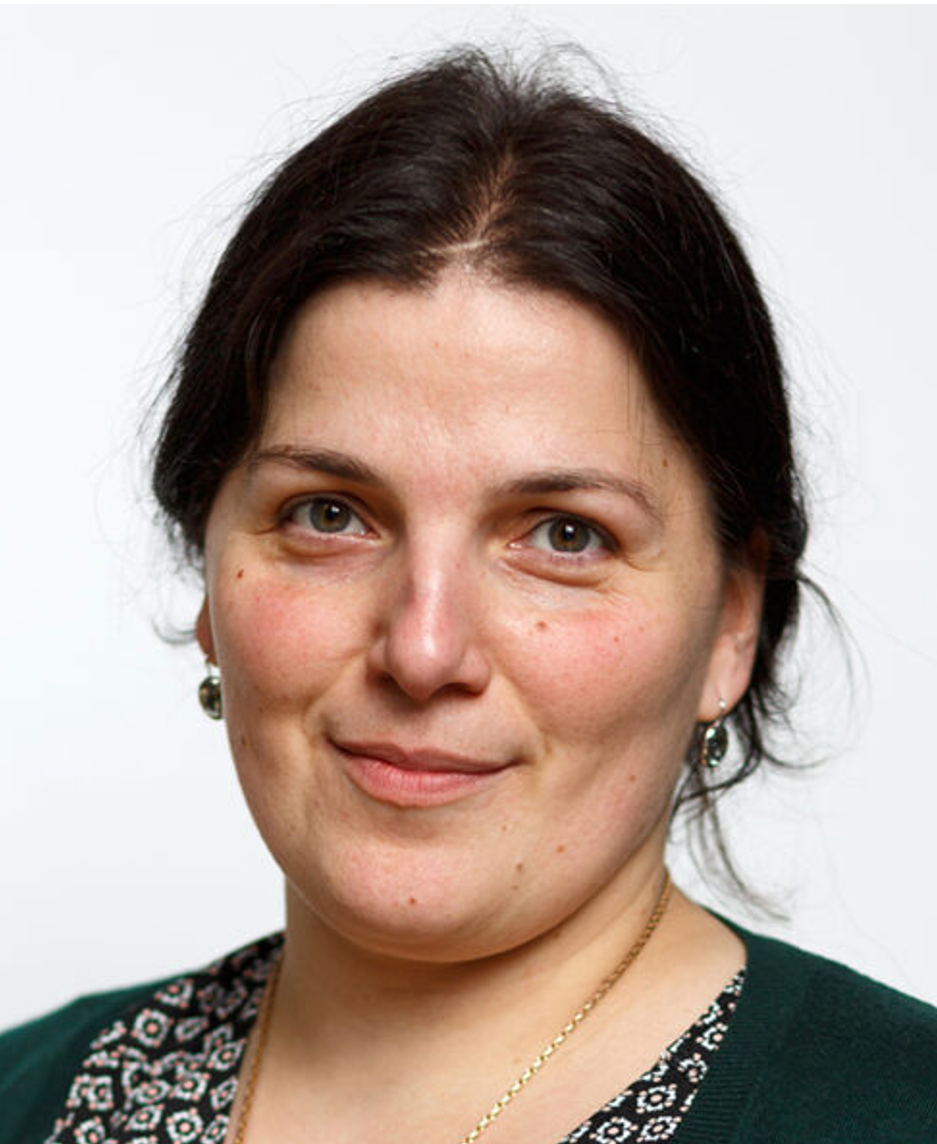
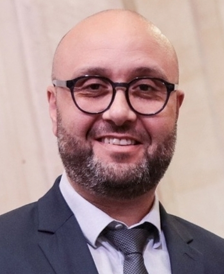
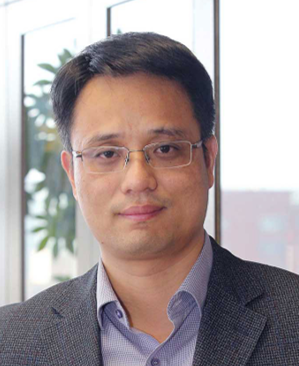
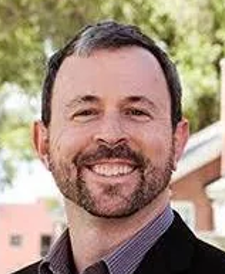
Prof. Dr. Hendrik Zipse and Prof. Dr. Armin Ofial
Conference Co-Chairs

Department of Chemistry, LMU Munich


About ICPOC

ICPOC conferences are the leading international scientific meetings on Physical Organic Chemistry and Chemical Reactivity. Previous ICPOC conferences were held in Australia, Canada, China, Japan, Poland, Portugal, Spain, South Korea, and United Kingdom.

ICPOC-27 will focus on

  • AI in Physical Organic Chemistry
  • Catalysis
  • Non-linear Effects in Catalysis and Autocatalysis
  • Organic Main Group Chemistry
  • Organic Photochemistry
  • Organic Reactivity and Reactive Intermediates Chemistry
  • π-Conjugated Molecular and Materials Chemistry
  • Supramolecular Chemistry
  • Theoretical and Computational Organic Chemistry
Information
ICPOC meetings bring together chemists from academia and industry, active in the fields of organic chemistry, physical chemistry, theoretical chemistry, catalysis and supramolecular chemistry.
Topics
The breadth of Physical Organic Chemistry will be represented in ICPOC-27 by a range of presentations in topics associated to the following streams of the conference: • Physical foundations of organic reactivity • Mechanism and catalysis • Supramolecular and systems chemistry • AI and new frontiers in Physical Organic Chemistry
Lectures
The scientific program of ICPOC-27 will comprise plenary and keynote lectures for all participants, followed by thematic sessions that include invited lectures and oral communications.


Committees

The German physical organic chemistry community is truly committed to organizing a successful International Conference on Physical Organic Chemistry ICPOC-27 in Munich. The local organizing team together with the national organizing committee, embracing representatives of the major universities and research institutes in Germany that are active in physical organic chemistry research, is overseeing the organization of the conference. The conference program is developed by the conference committees. Through these committees, we aim to increase the domestic and international impact of ICPOC-27, maximizing its visibility to the physical organic chemistry community and foster the international scientific exchange.

National Scientific Committee

Oliver Trapp
   Conference Chair
   Department of Organic Chemistry, LMU Munich, Germany

Hendrik Zipse
   Conference Co-Chair
   Department of Organic Chemistry, LMU Munich, Germany


Armin Ofial
   Conference Co-Chair
   Department of Organic Chemistry, LMU Munich, Germany

Ivan Huc
   Conference Co-Chair
   Department of Organic Chemistry, LMU Munich, Germany


Albrecht Berkessel
   Department für Chemie, Universität zu Köln, Germany
                     

Martin Breugst
   Institut für ChemieTechnische, Universität Chemnitz

Rainer Herges
   Otto-Diels-Institut für Organische Chemie, Christian-Albrechts-Universität zu Kiel


Burkhard König
   Institut für Organische Chemie, Universität Regensburg, Germany


Konrad Koszinowski
   Institut für Organische und Biomolekulare Chemie, Georg-August-Universität Göttingen, Germany


Franziska Schönebeck
   Institute of Organic Chemistry, RWTH Aachen, Germany


Peter Schreiner
   Institute of Organic Chemistry, Justus Liebig University Giessen, Germany

Hans-Ullrich Siehl
   Department of Chemistry, University of Ulm, Germany


Armido Studer
  Organisch-Chemisches Institut, University of Münster, Germany


International Advisory Board / Members of the IUPAC Subcommittee on Structural and Mechanistic Organic Chemistry

lan Williams (Chair)
   University of Bath, UK

Manabu Abe
   University of Hiroshima, Japan

lgor Alabugin
   Florida State University, USA

Moises Canle
   Universidade of da Coruña

Mark Cesa
   IUPAC, USA

Jin-Pei Cheng
   Nankai University, China

Maria de Lurdes Cristiano
   University of Algarve, Portugal

Jason Harper
   University of New South Wales, Sidney, Australia

Eduardo Humeres
   Federal University of Santa Catarina, Brasil

Hans-Ullrich Siehl
   University of Ulm, Germany

lvo Leito
   University of Tartu, Estonia

Miroslav Ludwig
   University of Pardubice, Czech Republic

Sanzhong Luo
   Tsinghua University, China

Anat Milo
   Ben-Gurion University of the Negev, Israel

Heidi Muchall
   Concordia University, Montreal, Canada

AnnMarie O'Donoghue
   Durham University, UK

Henrik Ottosson
   University of Uppsala, Sweden

Charles Perrin
   University of San Diego, USA

Franziska Schönebeck
   RWTH Aachen, Germany


Raghavan Sunoj
   Indian Institute of Technology Bombay, India

Pietro Tundo
   Ca' Foscari University, Venice, Italy

Einar Uggerud
   University of Oslo, Norway

Local Organizing Committee

Oliver Trapp
   Conference Chair
   Department of Organic Chemistry, LMU Munich

Hendrik Zipse
   Conference Co-Chair
   Department of Organic Chemistry, LMU Munich


Armin Ofial
   Conference Co-Chair
   Department of Organic Chemistry, LMU Munich

Ivan Huc
   Conference Co-Chair
   Department of Pharmacy, LMU Munich


Program

coming soon


Scientific Program

coming soon


Social Program

coming soon


Speakers

coming soon


Plenary Speakers

coming soon


Keynote Speakers

coming soon


Invited Speakers

coming soon


Conference Location at the Campus Grosshadern/ Martinsried of LMU Munich

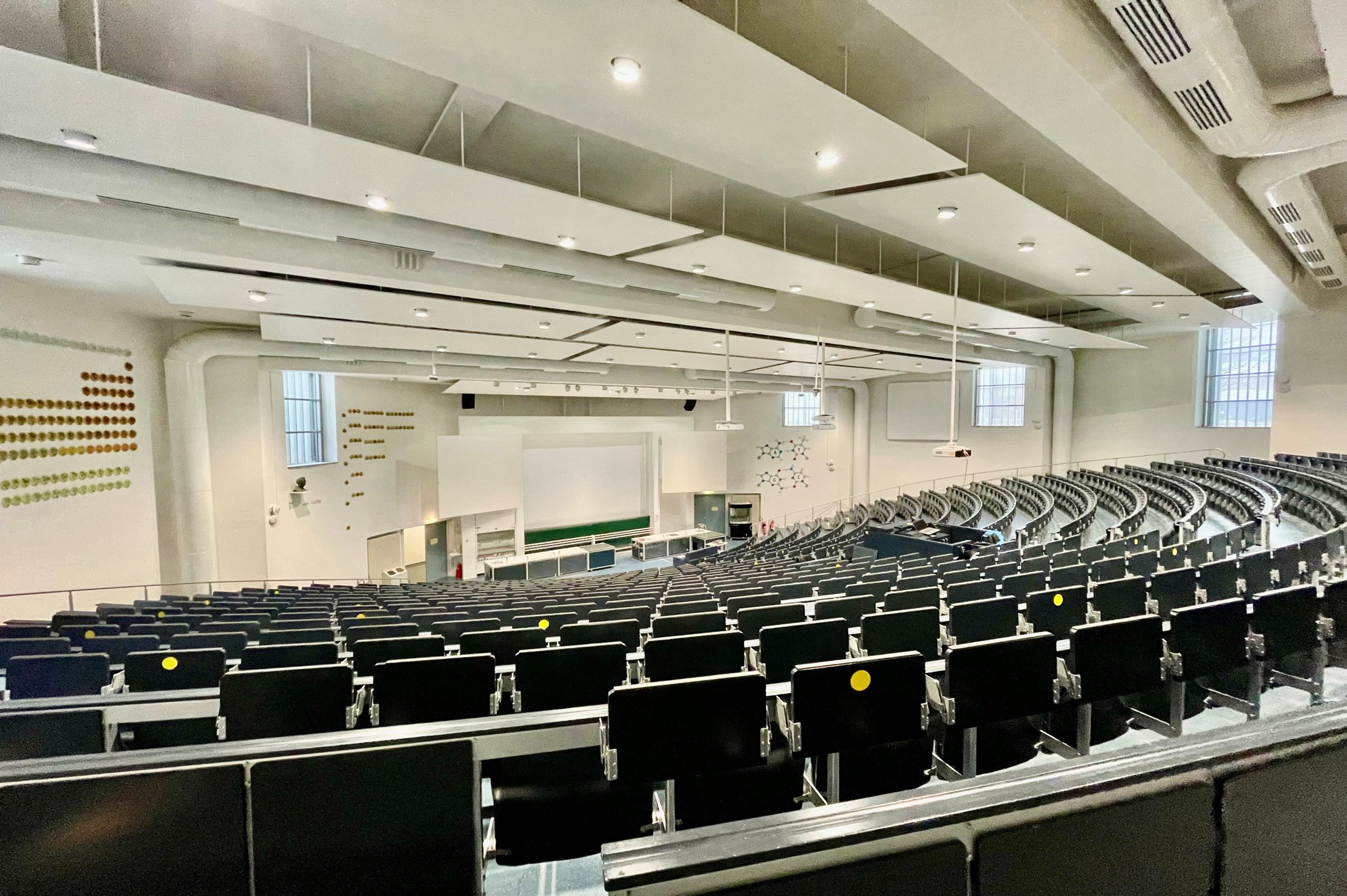
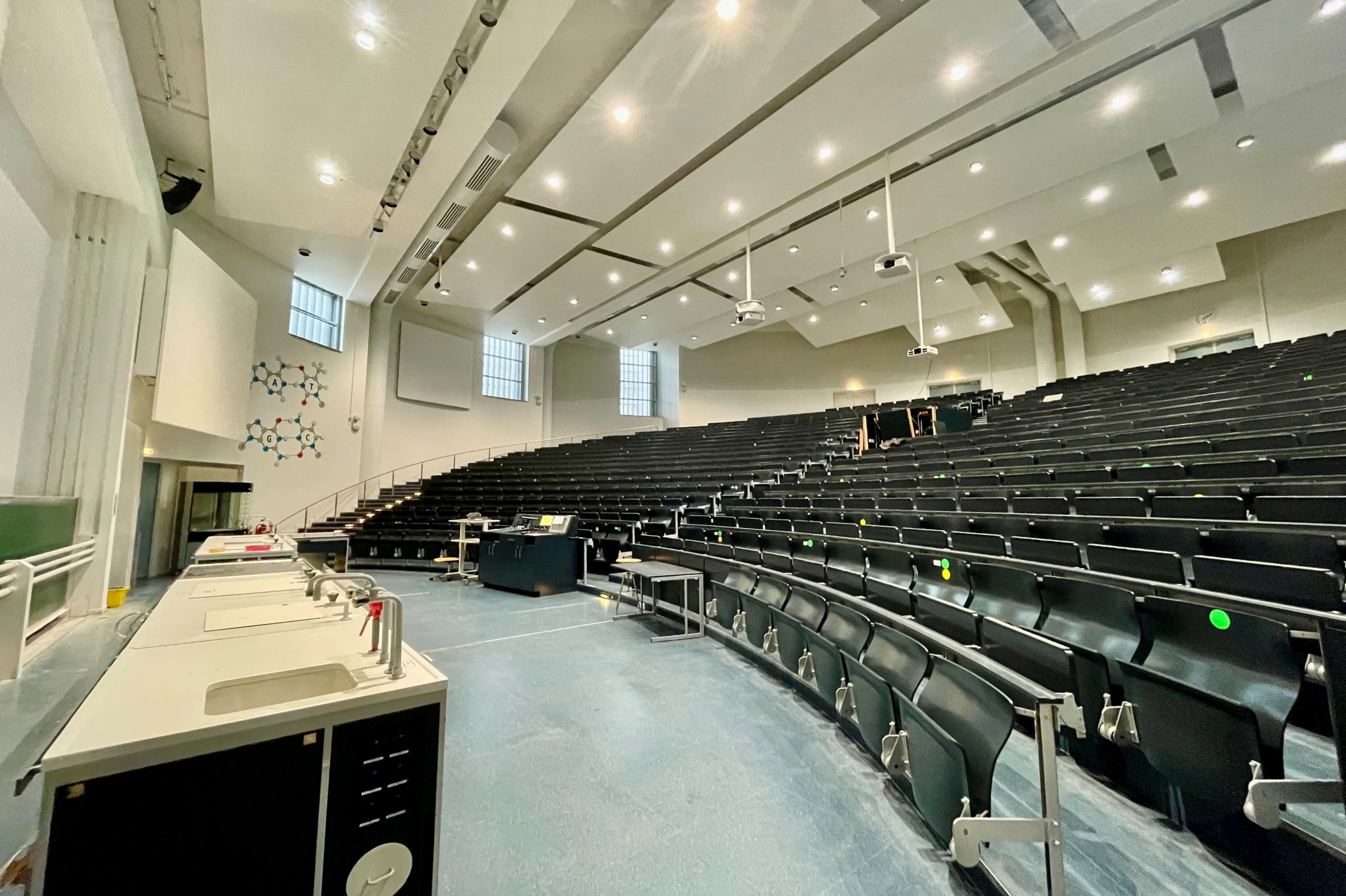
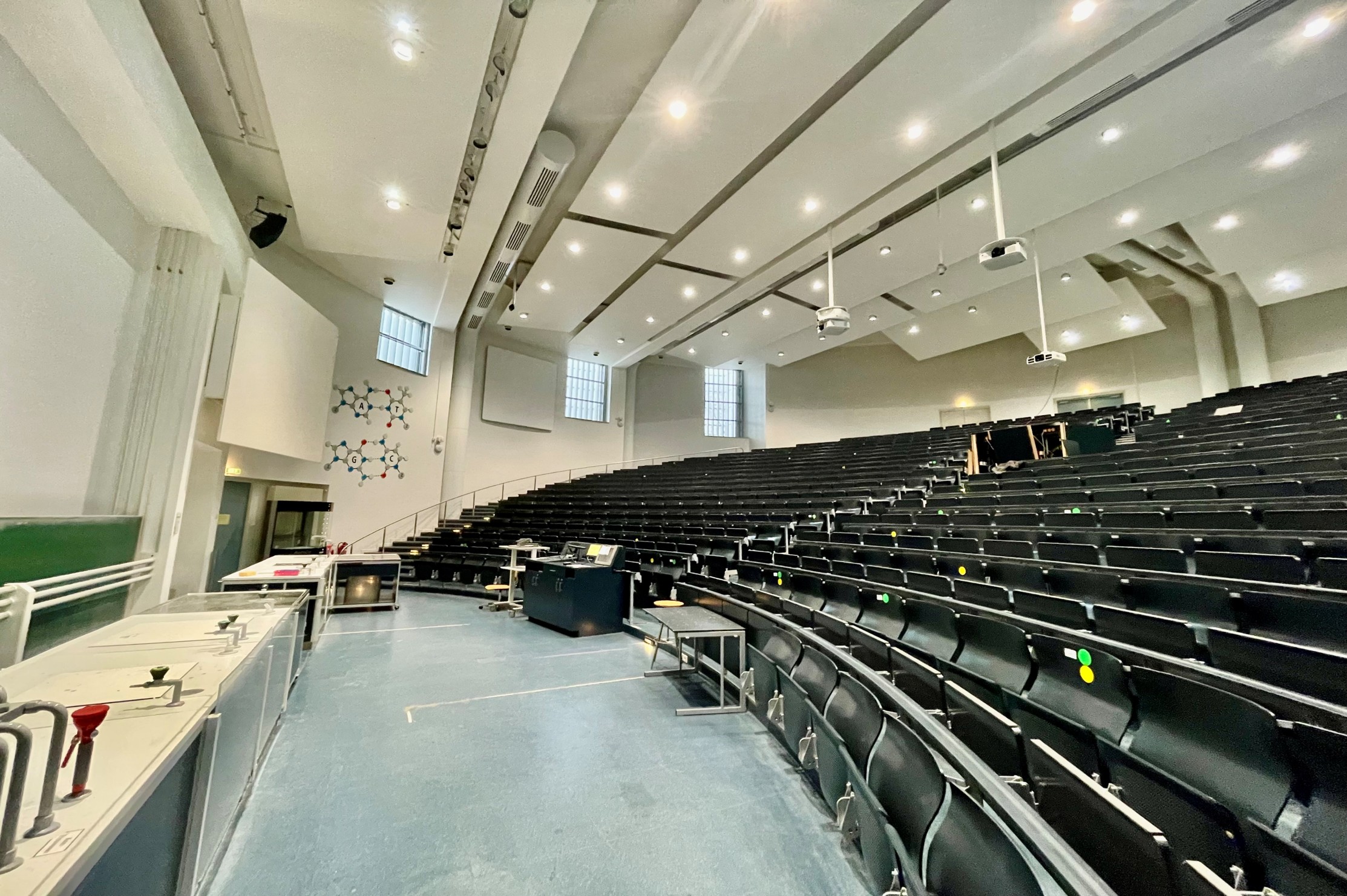
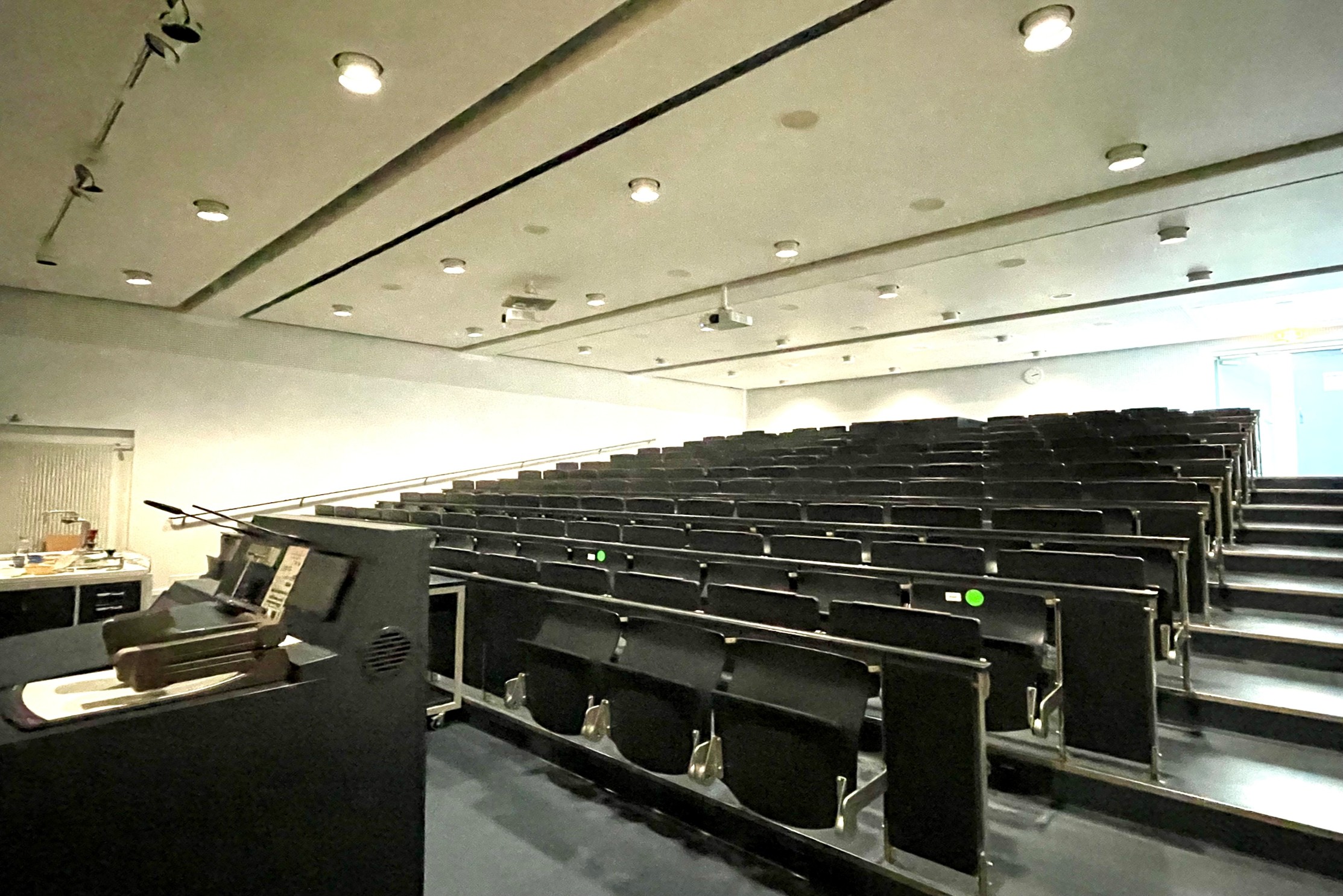
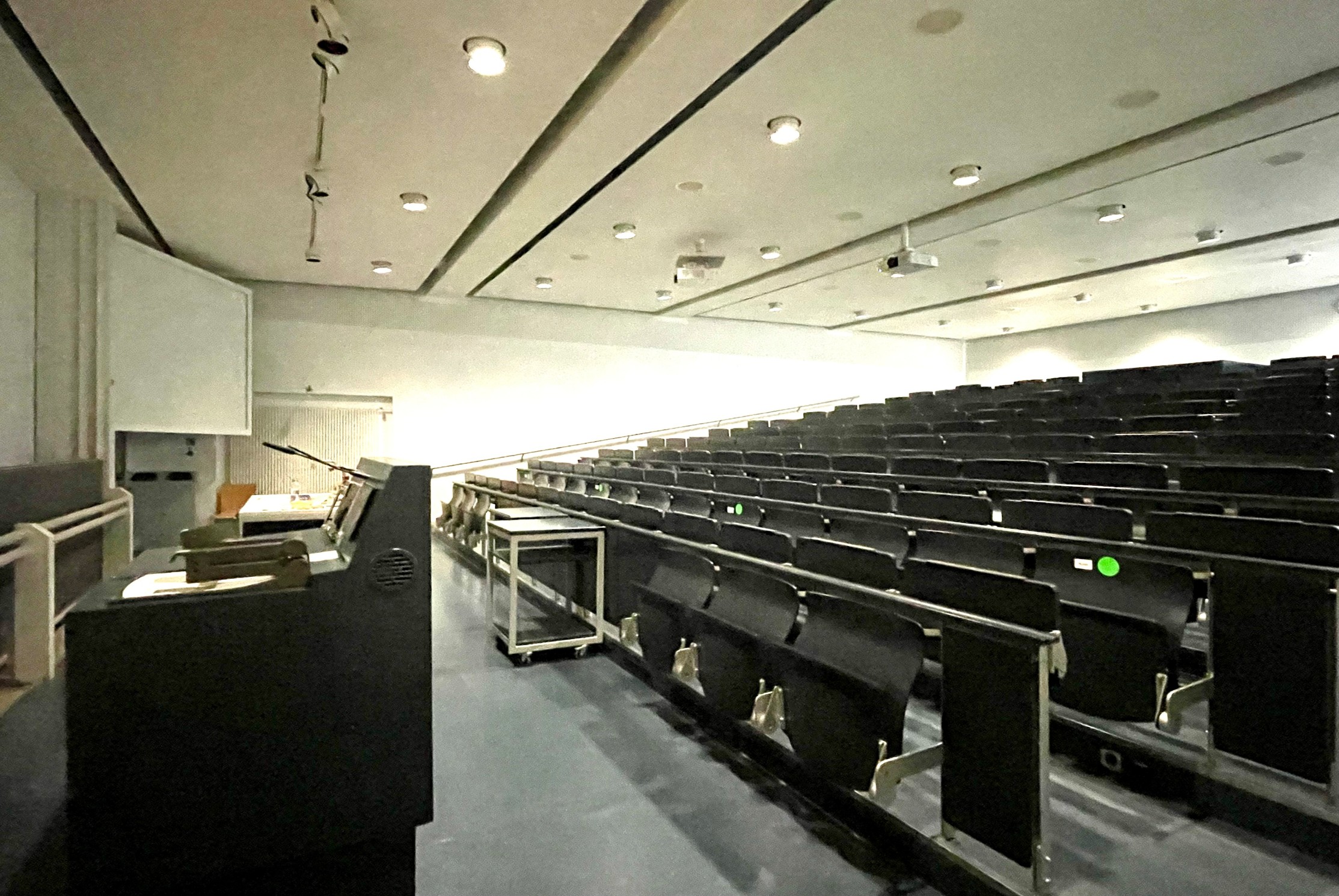
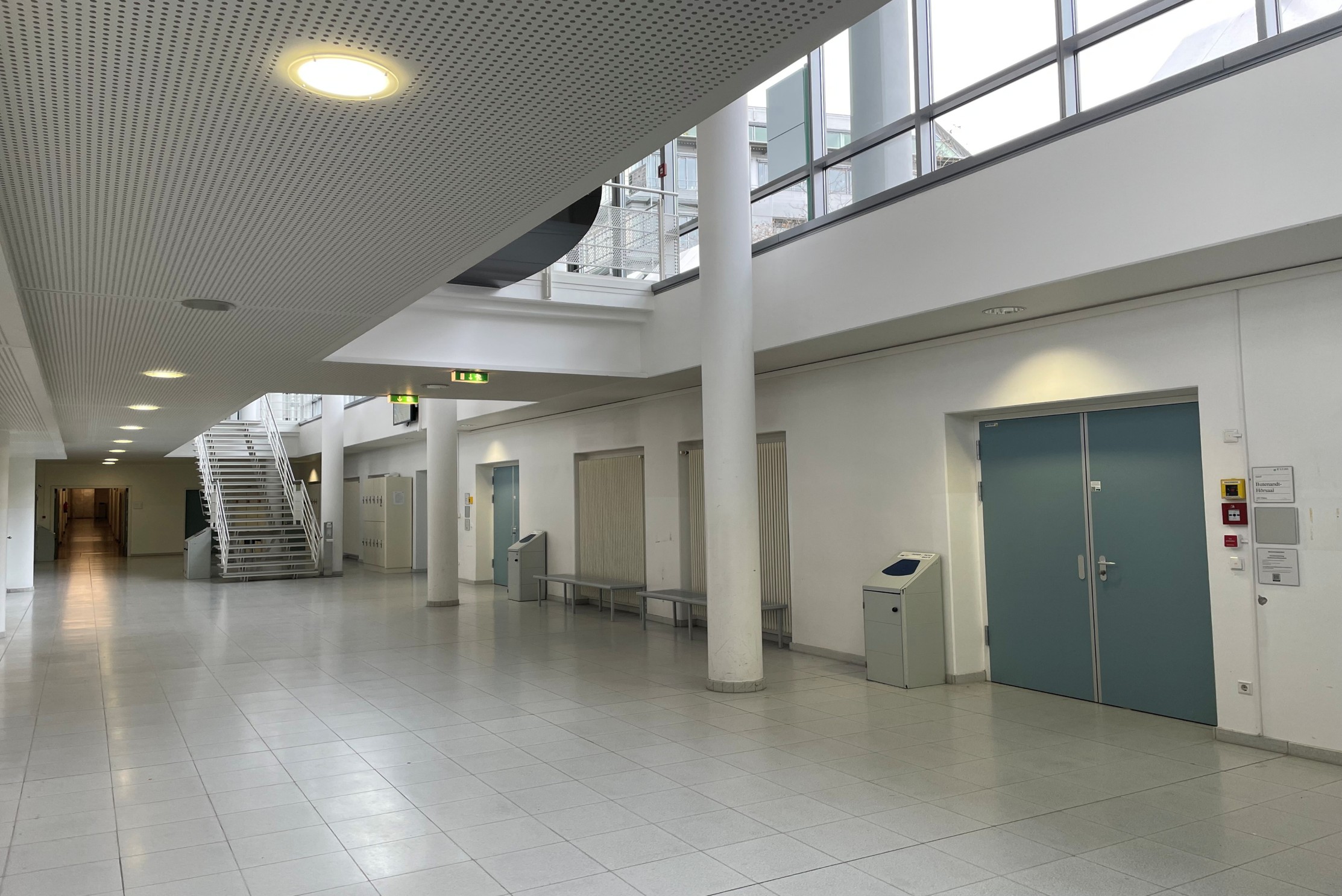
The conference will take place in the main auditorium of the Faculty of Chemistry and Pharmacy at the Science Campus Grosshadern of LMU Munich:
Butenandtstraße 5–13 • 81377 Munich • Germany


About Munich

Munich offers an excellent public transport system (MVV), including S-Bahn, U-Bahn, trams, and buses.

Ticket Zones
Munich Airport (MUC): Located in Zone 5 of the MVV network.
Conference Venue (LMU Campus Großhadern): Located in Zone M, which covers the entire Munich city area.
A journey from the airport to Großhadern therefore requires a ticket valid for Zones M–5, getting around between the city center and the venue requires a ticket for Zone M.


Recommended Ticket for 4 Days
For conference participants, the most practical and cost‑effective choice is the Deutschlandticket:
Price: €49 per month (valid for unlimited travel).
Coverage: All MVV zones (including MUC airport and Großhadern), plus nationwide regional trains and local transport.
Validity: Calendar month – ideal if you stay for several days, as it covers your entire visit without worrying about single tickets.
Important: The Deutschlandticket is a subscription (Abo). You must cancel it if you do not wish to continue beyond the first month.

Alternative (local-only option)
MVV Weekly Ticket (Zones M–5): Approx. €33–35 for one week.
Covers unlimited travel between the airport and Munich city, including Großhadern.
Suitable if you only need Munich transport and not nationwide connections.

Where to Buy Tickets
Deutschlandticket: Available online via the DB Navigator app, the MVV app, or directly on the websites of Deutsche Bahn and MVV.
Weekly or single MVV tickets: Can be purchased at ticket machines in all U-Bahn and S-Bahn stations, at MVV service centers, or via the MVV app.
Tickets are also available at airport train stations (MUC and FMM) and at Munich Central Station.

Practical Tip
From Munich Airport, take the S-Bahn S8 or S1 to Marienplatz, then change to U6 towards Klinikum Großhadern.
With the Deutschlandticket or weekly pass, you can use all connections without extra cost.


Accomodation

Munich offers a rich selection of hotels, guesthouses, and inns in the city center and surrounding areas.
For a full list: Hotels in Munich – Munich Tourism.

Recommended neighborhoods: Hadern, Sendling, Pasing, and Laim — all offer quick U6 or S-Bahn connections to the venue.

Please note: Hotel prices are expected to increase in June due to Oktoberfest; early booking is strongly advised.

Munich Tourism
Herzog-Wilhelm-Straße 15, 80331 Munich
Tel.: +49 89 233-96500
Email: tourismus.gs@muenchen.de
Booking requests & room reservations via the tourism office.


Getting to Munich

Munich is well connected by air, rail, and road, making it easy to reach from anywhere in Europe and beyond.
By Air
Munich Airport (MUC): Munich International Airport is the main gateway to the city, located about 35 km northeast of the center. From the airport, you can reach downtown Munich by:
S-Bahn (suburban train): Lines S1 and S8 connect the airport to the city center (Marienplatz) in about 40 minutes.
Airport bus or taxi: Direct buses run to Munich Central Station; taxis take about 40–50 minutes depending on traffic.
Memmingen Airport (FMM): Located about 110 km west of Munich, Memmingen Airport is served mainly by low-cost airlines. From there:
Shuttle buses connect directly to Munich Central Station (approx. 1.5–2 hours).
Alternatively, trains from Memmingen to Munich run regularly via Augsburg.
By Train (ICE and other services)
Munich Central Station (München Hauptbahnhof) is a major hub for Germany’s high-speed ICE trains and international connections.
Direct ICE services link Munich with Berlin, Frankfurt, Hamburg, Cologne, and Vienna.
Travel times: Berlin (~4 hours), Frankfurt (~3.5 hours), Vienna (~4 hours).
From the station, the U-Bahn (subway) and S-Bahn provide fast connections across the city.
By Car (Autobahn)
Munich is accessible via several major highways:
A8 from Stuttgart and Salzburg
A9 from Nuremberg and Berlin
A96 from Lindau (Lake Constance)
A92 from Deggendorf and Munich Airport
Parking is limited in the city center and at the venue, conference participants are therefore advised to use public transport once in Munich.


LMU Campus Grosshadern/ Martinsried

Butenandtstraße 5–13 • 81377 Munich • Germany
From Munich Airport (MUC) by Public Transportation

From the Munich airport take the S-Bahn S8 (or S1) to Marienplatz. Change to the subway U6 in the direction of Klinikum Großhadern and get off at Großhadern. Take the stairway to your left and keep left. You are now on Würmtalstrasse. Now you can walk along Würmtalstraße until the campus comes into view (large modern buildings) on the left (about 10 to 15 minutes) or take the bus line 160 (direction to Karlsfeld/Pasing) or bus line 266 (direction to Gräfelfing) till Waldhüterstrasse.

Train and Public Transportation

By high-speed trains IC, EC, and ICE to Munich Central Station (München Hauptbahnhof). From there, take the subway U1 or U2 to Sendlinger Tor. Change to U6 in the direction of Klinikum Großhadern and get off at Großhadern. Take the stairway to your left and keep left. You are now on Würmtalstr. Now you can walk along Würmtalstraße until the campus comes into view (large modern buildings) on the left (about 10 to 15 minutes) or take the bus line 160 (direction to Karlsfeld/Pasing) or bus line 266 (direction to Gräfelfing) till Waldhüterstrasse.


By Car

From the Nürnberg highway: get onto the Mittlerer Ring (direction Autobahn Lindau), then onto the Lindau highway to the exit Blumenau, keep going to Gräfelfing from where Würmtalstrasse will lead you to our campus.
From the Stuttgart highway: from the end of the highway in Obermenzing turn off to Pasing, from Pasing drive in the direction of Gräfelfing, then turn left to Großhadern.
From the Salzburg or Garmisch highways: drive onto the "Mittlerer Ring" in the direction of Großhadern and Stuttgart, then, in Großhadern turn to Gräfelfing and follow Würmtalstrasse which passes by our campus.


Sponsors

coming soon


Abstract Submission

Abstract submission starts soon


Publication

coming soon


Registration

Registration opens soon


Register for ICPOC-27

coming soon


Visa


In order to help participants to meet administrative requirements in certain countries, letters of invitation for entry visa may be supplied upon request. Note that such letters do not commit the Organizing Committee to any kind of financial support or hosting arrangement, nor do they guarantee an entry visa issue.


IUPAC endorsement implies that entry visas will be granted to all bona fide chemists, provided application is made not less than six months in advance. If a visa is not granted two months before the meeting, the Organizers and the IUPAC Secretariat should be notified by the applicant.

Contact

Prof. Dr. Oliver Trapp
Department of Chemistry
Ludwig-Maximilians-Universität München
Butenandtstr. 5-13
81377 Munich
Germany